Due to scheduled maintenance, the NBOME Portal may be unavailable Friday, October 16th from 9pm – 4 am CT. We apologize for any inconvenience.

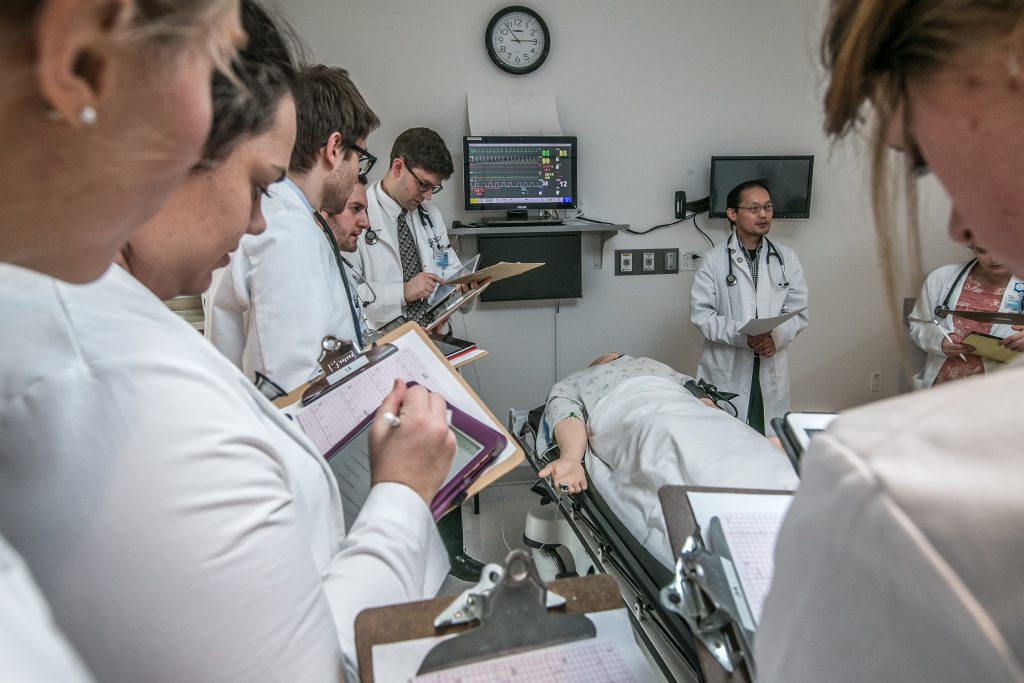
The NBOME partners with leaders in undergraduate medical education (UME) and graduate medical education (GME) to promote awareness and understanding of osteopathically distinctive assessments, including COMLEX-USA. NBOME assessments are widely recognized and support decision-making across the transition from undergraduate medical education to graduate medical education and may be used to satisfy educational, clinical, specialty board, state licensing, and health care system credentialing requirements.

Use this guide to better understand what COMLEX-USA measures, how standards are set, how scores should be interpreted, and how COMLEX-USA performance can be considered as part of a holistic review for DO applicants.
The NBOME recommends visiting the FSMB website for the most up-to-date information regarding individual state licensure requirements, including number of attempts and time limit for completing a licensure sequence, on a state-by-state basis.
The NBOME recommends that osteopathic medical residents take COMLEX-USA Level 3 after their first six months of residency training. Passing Level 3 demonstrates readiness for unsupervised osteopathic medical practice and confirms competence in the foundational domains required for safe, effective patient care, lifelong learning, and practice-based improvement.
The COMSAE series of self-assessments is designed to help gauge readiness for COMLEX-USA Level 3. COMSAE Phase 3’s content is aligned with the COMLEX-USA Blueprint and is based on the same content outline, competency domains, and clinical presentation categories.
Doctors of osteopathic medicine (DOs) are fully licensed physicians in the United States and other countries. Their patient care approach aligns with their distinctive training in comprehensive, evidence-based medical care, summarized as the interconnected body-mind-spirit approach to finding, restoring, and maintaining health.
The Tenets of Osteopathic Medicine express the underlying philosophy of osteopathic medicine:
Those who choose to practice osteopathic medicine are guided by a distinctive philosophy that emphasizes whole-person care and a commitment to serving patients and their communities.
Since 1934, the NBOME has provided assessment tools designed to evaluate osteopathic medical competencies for licensure. These assessments reflect and reinforce the specialized education and clinical training that define the osteopathic medical profession.
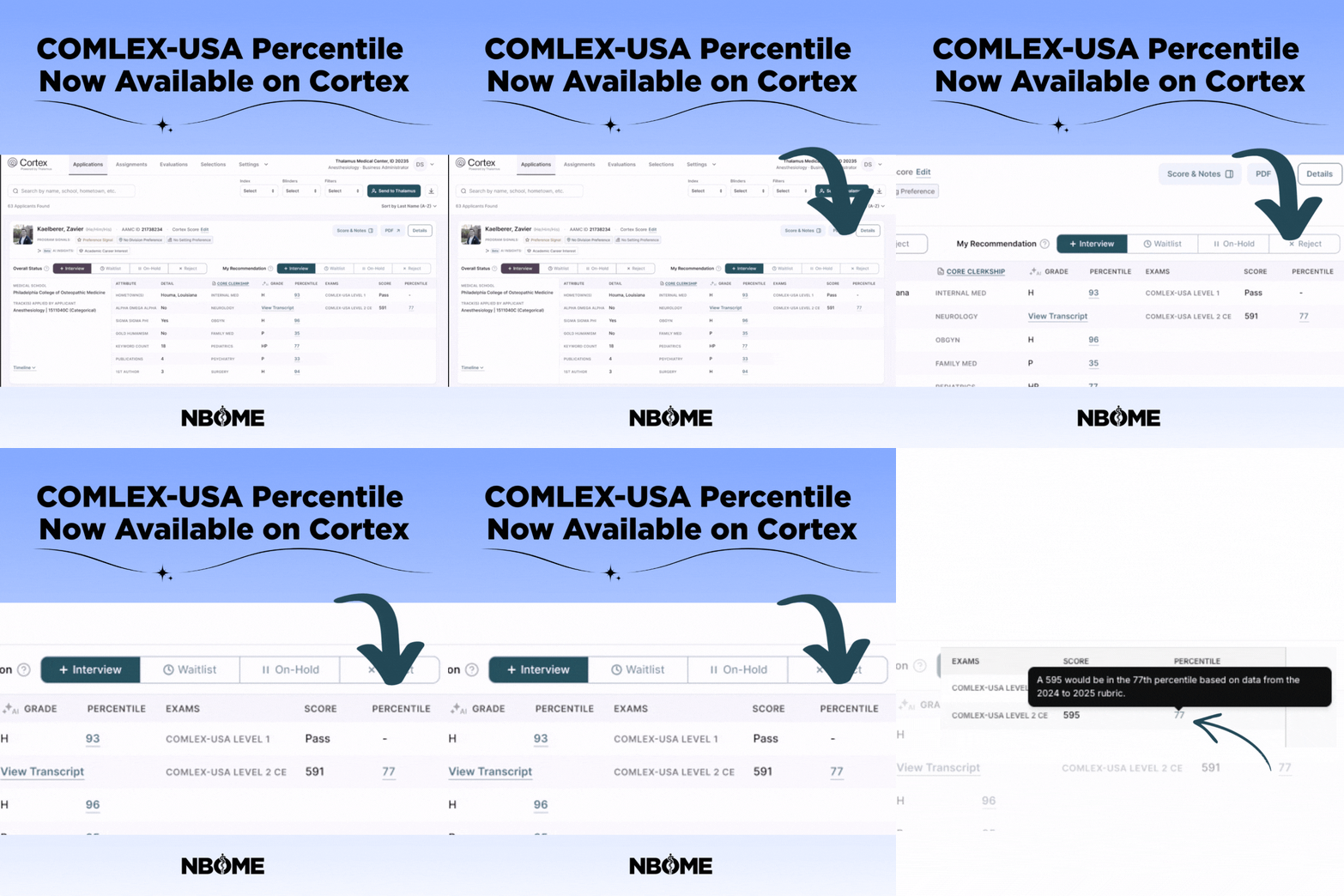
COMLEX-USA percentile score information is available within the Thalamus Cortex dashboard, giving program directors access to additional score context in one centralized location for use in holistic application review.
This integration helps programs view COMLEX-USA performance information alongside other application data, supporting clearer interpretation of examination performance, and a more streamlined review process.
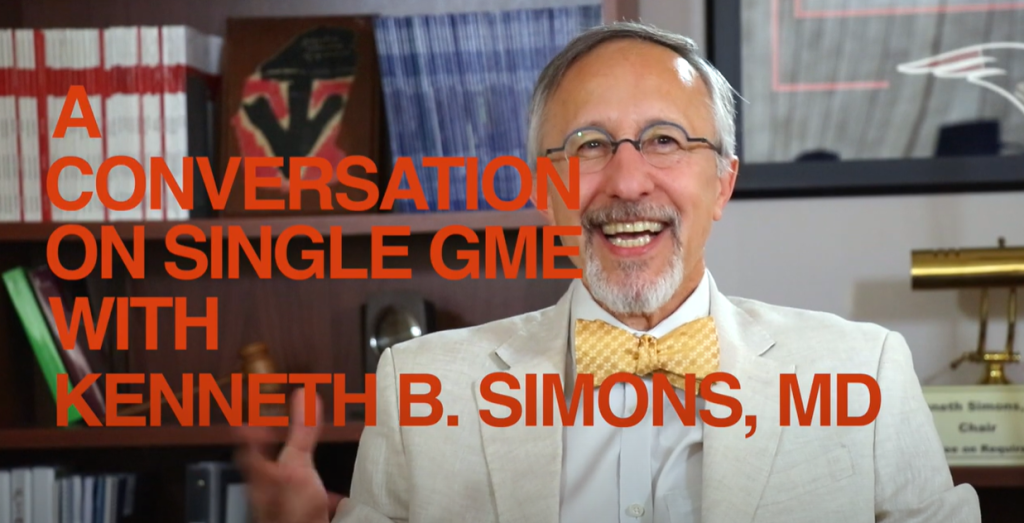
Kenneth B. Simons, MD, field secretary of the Liaison Committee on Medical Education, discusses how residency program directors can use COMLEX-USA scores for DO applicants as part of a holistic admission review process.
Leadership organizations across numerous specialties have issued consensus statements supporting equivalent use of COMLEX-USA as part of a holistic residency application process for DO applicants.
The Association of Departments of Family Medicine, Association of Family Medicine Residency Directors, North American Primary Care Research Group, and the Society of Teachers of Family Medicine
The American Association of Directors of Psychiatry Residency Training (AADPRT)
The American Academy of Physical Medicine and Rehabilitation (AAPM&R), the Association of Academic Physiatrists, and the American Osteopathic College of Physical Medicine and Rehabilitation (AOCPMR)
The Association of Pediatric Program Directors, Council on Medical Student Education in Pediatrics, Association of Medical School Pediatric Department Chairs, FuturePedsRes, and NextGenPediatricians
COMLEX-USA
Sandella JM, Young G, Boulet JR, Conrad-Schnetz K. Presentation at Association for Surgical Education Annual Meeting. Seattle, WA.
COMLEX-USA
Torres JW, Bowling JR, Zipp C, Williams N, Sandella JM, Martinez L, Moore B. Family Medicine. doi:10.22454/FamMed.2022.156954
COMLEX-USA
Barnum S, Craig B, Wang X, Sandella JM, Tsai T-H, Boulet JR, Wang Y. Journal of Graduate Medical Education. doi:10.4300/JGME-D-21-00499.1
COMLEX-USA
Chick DA, Friedman HP, Young VB, Solomon DE. Teaching and Learning in Medicine. doi:10.1080/10401330903445422
COMLEX-USA
O’Neill TR, Peabody MR, Song H. Academic Medicine. doi:10.1097/ACM.0000000000001254
News
News
News